Working in Vietnam Without Speaking Vietnamese: How to Keep Up in Meetings
Published on Nov 26, 2026

Table of Contents
Key Takeaways
- You can be effective in a Vietnamese-speaking workplace before you are fluent. What you need is a repeatable meeting routine, not perfect listening.
- The routine has three steps: prepare (vocabulary, names, numbers), listen (live translated captions), and confirm (a short written recap from the transcript).
- Vietnamese is a tonal language written in a Latin-based script with tone marks, so a word heard once is easy to mishear. Names and numbers deserve extra care.
- Live captions help you follow the conversation, but they are an aid and not a legal record. Confirm decisions in writing.
- Tengos offers real-time transcription and translation across 60 languages and a Free plan with 120 minutes per month, which is enough to test the routine.
Why is a Vietnamese meeting hard when you are still learning the language?
A language course teaches you to order food and ask directions. A work meeting is different. People speak fast, interrupt each other, switch between formal and casual speech, use abbreviations and company jargon, and refer to things that were decided last week. Even learners who feel comfortable in daily life can lose the thread in the first five minutes.
Vietnamese adds a few extra challenges for foreign learners. According to the Vietnamese language article on Wikipedia, it is a tonal language, and the standard northern dialect distinguishes six tones. The Vietnamese alphabet article explains that the script is Latin-based and that diacritics mark tones. In practice, two words that look almost identical on paper can mean completely different things, and a learner who relies on the written form can still mishear them in speech.
Ethnologue lists Latin as the primary script and word order as subject, verb, object, which is familiar to English speakers. The grammar is therefore not the main barrier in a meeting. Speed, tones, names and numbers are.
What is the three-step method for meetings in Vietnamese?
The method below works for team meetings, client calls and training sessions. You do not need to be fluent for any step.
| Step | When | What you do | What it prevents |
|---|---|---|---|
| 1. Prepare | Before the meeting | Build a short vocabulary list, check names and numbers | Surprises, mispronounced names |
| 2. Listen | During the meeting | Follow live translated captions, note questions | Losing the thread, silent confusion |
| 3. Confirm | After the meeting | Send a short written recap based on the transcript | Misunderstood actions and deadlines |
Step 1: How should you prepare before the meeting?
Preparation takes 10 to 15 minutes and removes most of the stress.
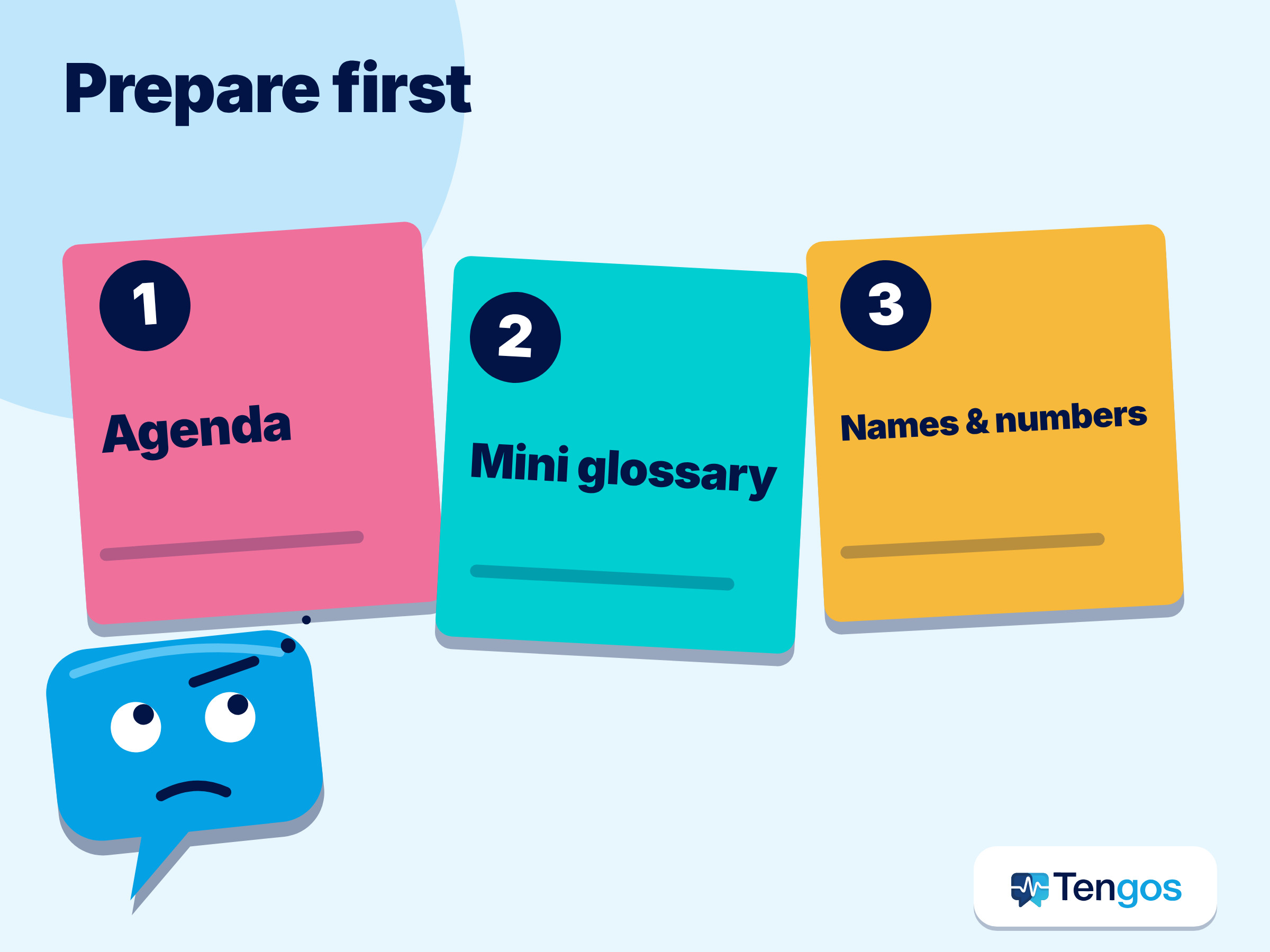
- Ask for the agenda. Even three bullet points tell you which terms will appear. If a colleague can send slides, even better.
- Write a mini glossary. List 10 to 15 words you expect to hear: product names, department names, project codes, and the Vietnamese terms for “deadline”, “budget”, “approval” and “next step”. Put the Vietnamese and English side by side.
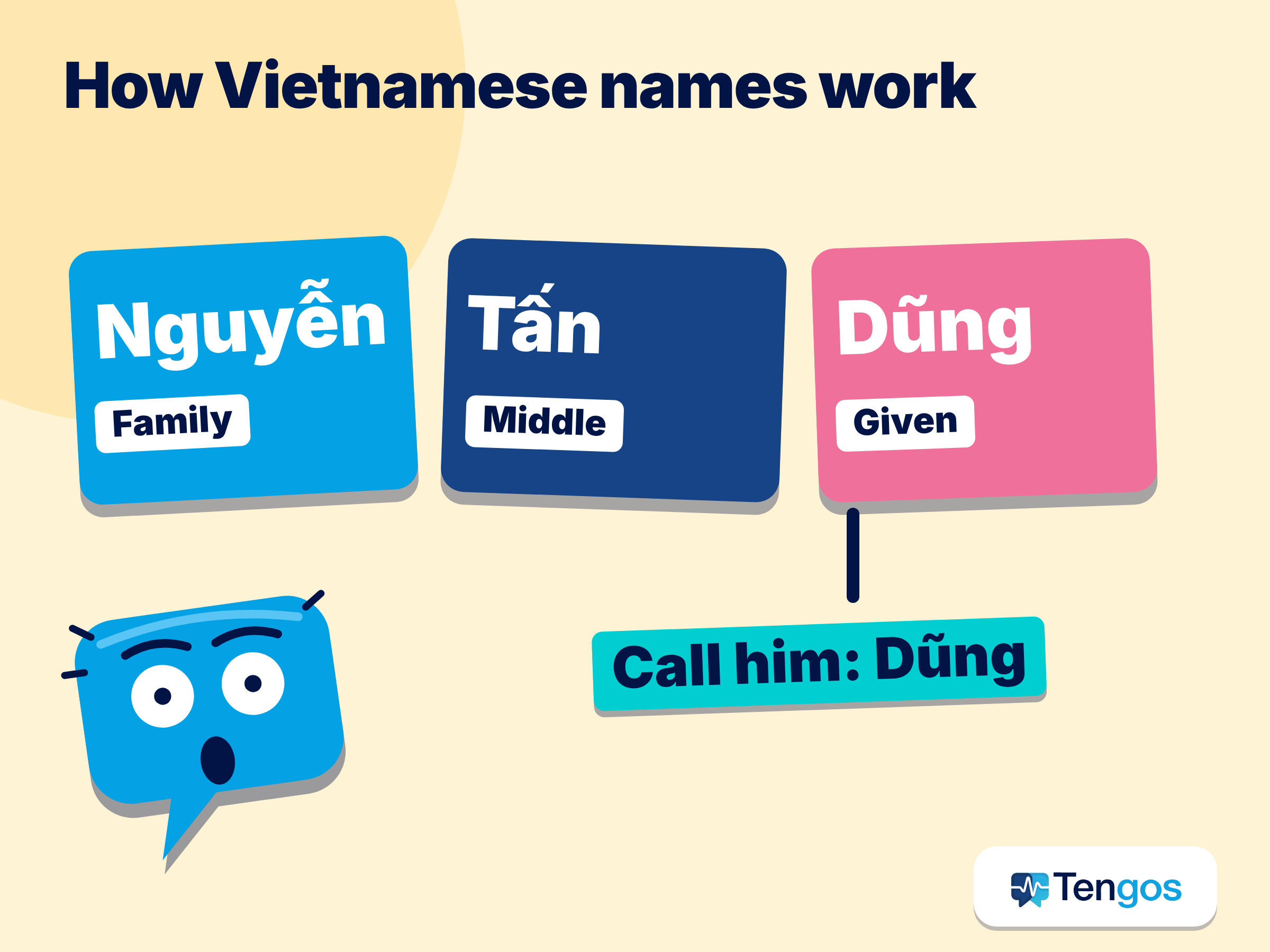
- Learn how people are named and addressed. The W3C guide to personal names gives Vietnamese names as family name, middle name, then given name, and notes that people are addressed by their given name. A man named Nguyễn Tấn Dũng would be addressed as Mr. Dũng, not Mr. Nguyễn. The Vietnamese name article adds that in Western order the family name often appears last, so always ask a colleague how they want their name written.
- Agree how numbers and dates will be shown. Ask people to write amounts and dates in the chat, and repeat important numbers aloud.
- Test your setup. Check your microphone and the language settings of your tool five minutes early, not at the start of the call.
Step 2: How do live translated captions help you during the meeting?
Live captions turn speech into text on your screen as people speak. With translation, you can read what is said in a language you understand while you still hear the original voice. This has three practical benefits for a learner.
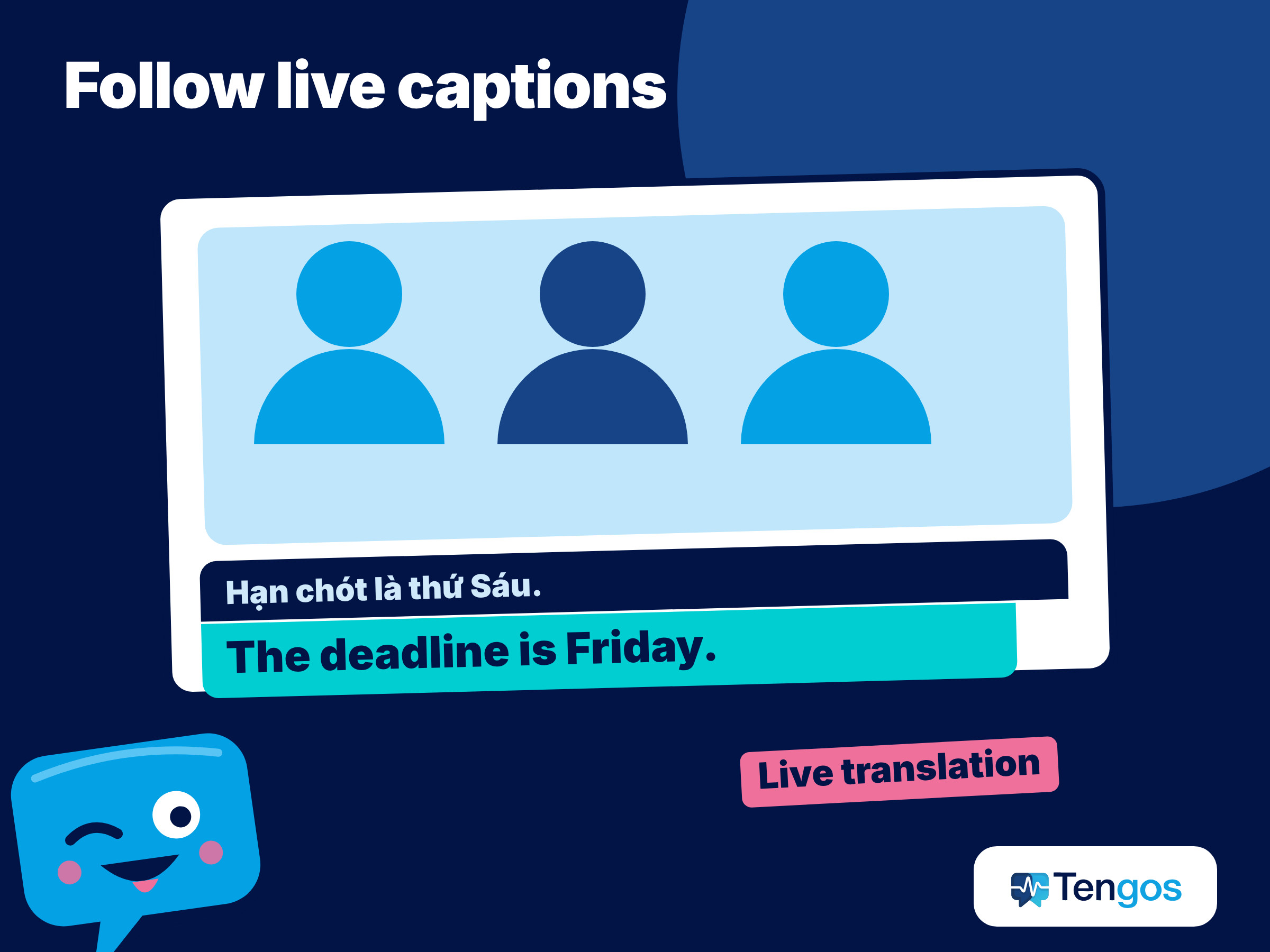
- You see what you only half-heard. If a sentence goes by too fast, the text stays a moment longer.
- You learn while you work. Hearing the Vietnamese while reading the translation is a natural way to build vocabulary.
- You can join in sooner. When you understand the question, you can answer in time instead of after the topic has moved on.
Captions also have limits. The W3C’s page on captions and subtitles notes that live captions are usually produced by professional real-time captioners and that automatic captions are not sufficient without checking accuracy. The related WCAG success criterion on live captions shows how seriously accessibility standards treat live captioning. The lesson for workplace use is simple: treat automatic captions as a strong aid, and double-check anything with legal, financial or safety weight.
How can you use Tengos for this?
According to the Tengos website, the app provides real-time speech transcription and real-time text translation, speaker identification, group sharing through a link, AI meeting summaries and export of transcripts, with support for 60 languages. The Free plan includes 120 minutes of usage per month, one AI summary per meeting and five file uploads per month. The Starter plan adds 50 custom translation terms and 50 custom transcript terms, which is handy for the mini glossary from step 1. Prices exclude tax, and plans and limits can change, so check the pricing page before you decide.
A simple way to try it: open a short, low-stakes meeting, turn on live transcription with your preferred translation language, and read the result afterwards to see how well it handled names and jargon.
Step 3: How do you confirm what was decided?
Many cross-language problems appear a week later, when two people remember a decision differently. A short written recap fixes this.
- Re-read the transcript within 24 hours. Mark unclear sentences, numbers and names.
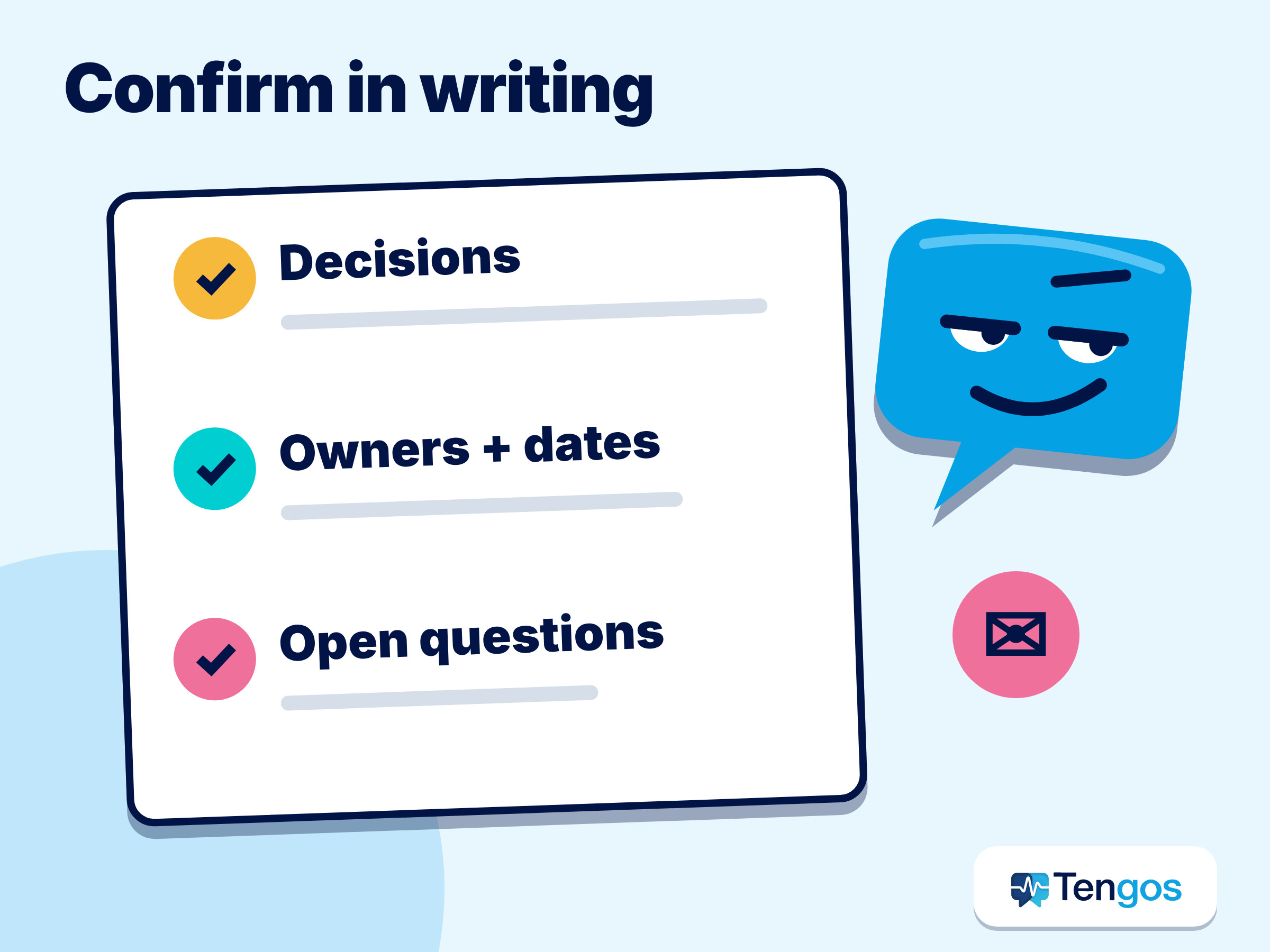
- Write a three-part recap: decisions, owners with deadlines, and open questions.
- Send it to the group and ask people to reply only if something is wrong.
- Keep the glossary updated. Add every new term you met. After a month you will have a personal dictionary for your workplace.
The recap is polite as well as practical. In many workplaces, asking for confirmation in writing is seen as careful, not distrustful.
What mistakes should foreigners avoid in Vietnamese meetings?
- Nodding along. If you are lost, say so early and ask for the key point to be repeated or written in the chat.
- Using only the foreign-language summary. Compare the summary with the transcript when numbers or commitments are involved.
- Guessing tones. If a word matters, ask a colleague to write it down.
- Mixing up name order. Confirm how each person wants to be addressed, then use it consistently.
- Relying on captions for legal, medical or contract language. Ask a qualified bilingual person to review these.
- Recording without permission. Always tell participants you are using live transcription, and follow company policy and local rules.
Example: a week in the life of a new manager (hypothetical)
This is an illustration, not a real case. Imagine a project manager who recently moved to Ho Chi Minh City and speaks English, with limited Vietnamese. On Monday she asks her team lead for the agenda and builds a 12-word glossary. On Tuesday she joins a supplier call with live translated captions on her laptop and writes down two numbers she was not sure about. On Wednesday she re-reads the transcript, notices that a delivery date was mentioned twice with different numbers, and includes the question in her recap. On Thursday the team confirms the correct date. Nothing in this routine required fluency; it required a little preparation and one short message.
Frequently Asked Questions
Can I really work in Vietnam without speaking Vietnamese?
Many foreigners do, especially in international teams where English is used. Learning some Vietnamese still helps with relationships, and tools like live captions reduce the pressure during meetings.
Are Vietnamese tones the hardest part for learners?
They are a common challenge. The standard northern dialect has six tones, and tone marks change the meaning of otherwise similar syllables, so many learners find listening harder than reading.
Should I address colleagues by family name or given name?
Vietnamese people are normally addressed by their given name, often with a title, while the family name comes first in written order. When in doubt, ask how the person prefers to be addressed.
Are live translated captions accurate enough for decisions?
They are a strong aid for following the conversation, but accuracy varies with audio quality, accents and jargon. Confirm decisions and numbers in writing and have important documents checked by a person.
Do I need a paid plan to try this?
You can start with the Free plan, which offers 120 minutes per month according to the Tengos pricing page. Check the page for current plan details.
Conclusion
Keeping up in Vietnamese meetings is less about perfect listening and more about a good routine: prepare a mini glossary, follow live translated captions, and confirm decisions in a short written recap. If you want to test that routine, you can try Tengos at tengos.ai or download the app from the App Store or Google Play.