Marketing Trends 2026: 7 Takeaways From MMA IMPACT Vietnam
Publié le Nov 3, 2026
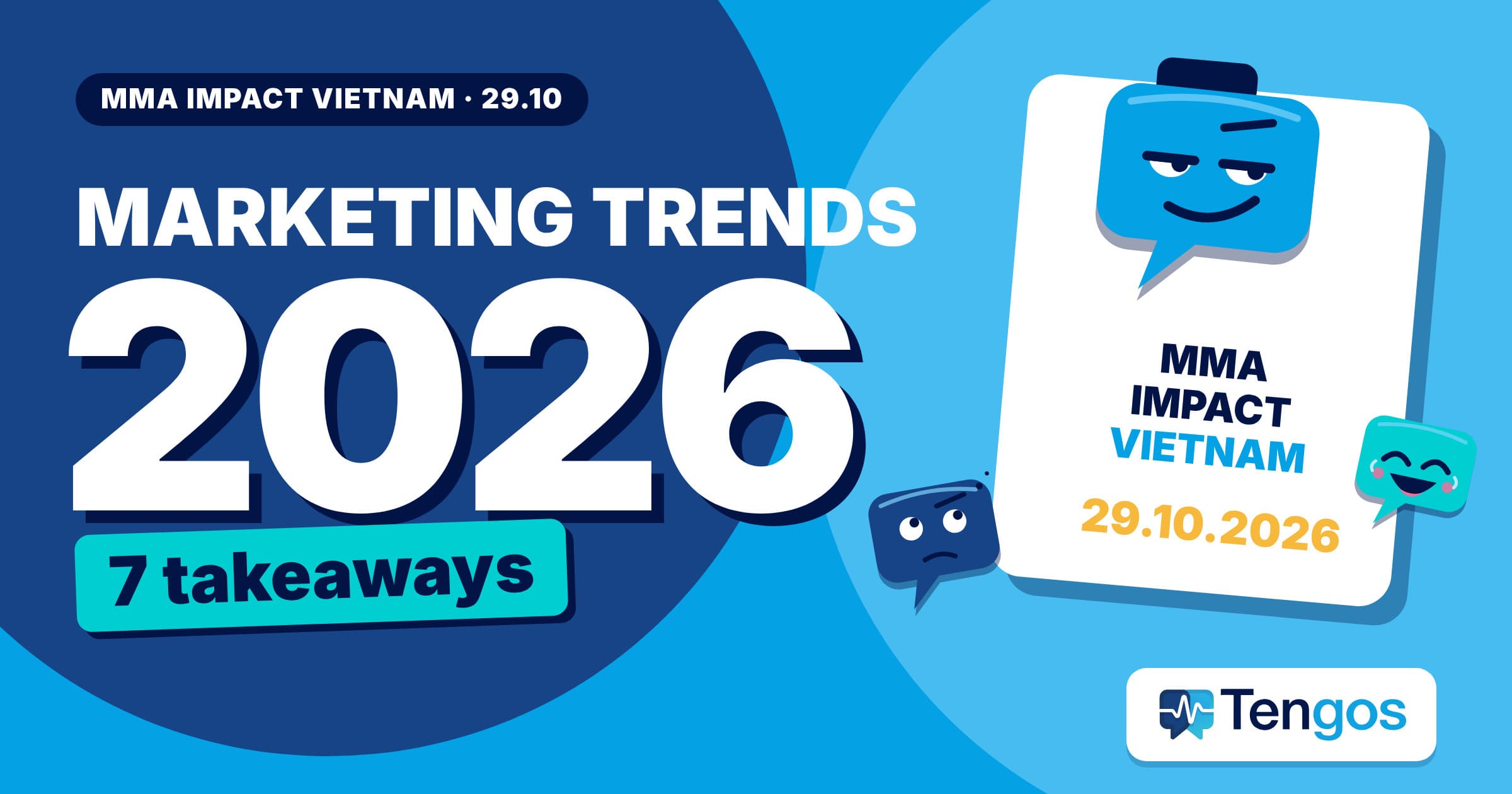
Table des matières
The marketing trends 2026 story in Vietnam comes down to seven ideas: brands are building infrastructure instead of running one campaign at a time, real insight into people gets scarcer as AI spreads, the wins come from moments and habits, local culture is an advantage, partners beat going alone, fast decisions need discipline, and market leaders are learning to talk like challengers. Those seven themes kept coming back across 13 sessions at MMA IMPACT Vietnam 2026, held on October 29, 2026 at GEM Center in Ho Chi Minh City.
Tengos recorded every session, and I read back through each transcript. This post keeps the most interesting parts. The rest lives in the PDF handbook in the middle of the page.
Key Takeaways
- A lot of the brands people talked about this year weren’t praised for showing off AI. They were praised for understanding one ordinary moment in a customer’s day.
- A truck carrying about 400,000 KitKat bars disappeared, and a budget of about $25,000 turned into about $1.3 million in earned media value (per the speaker).
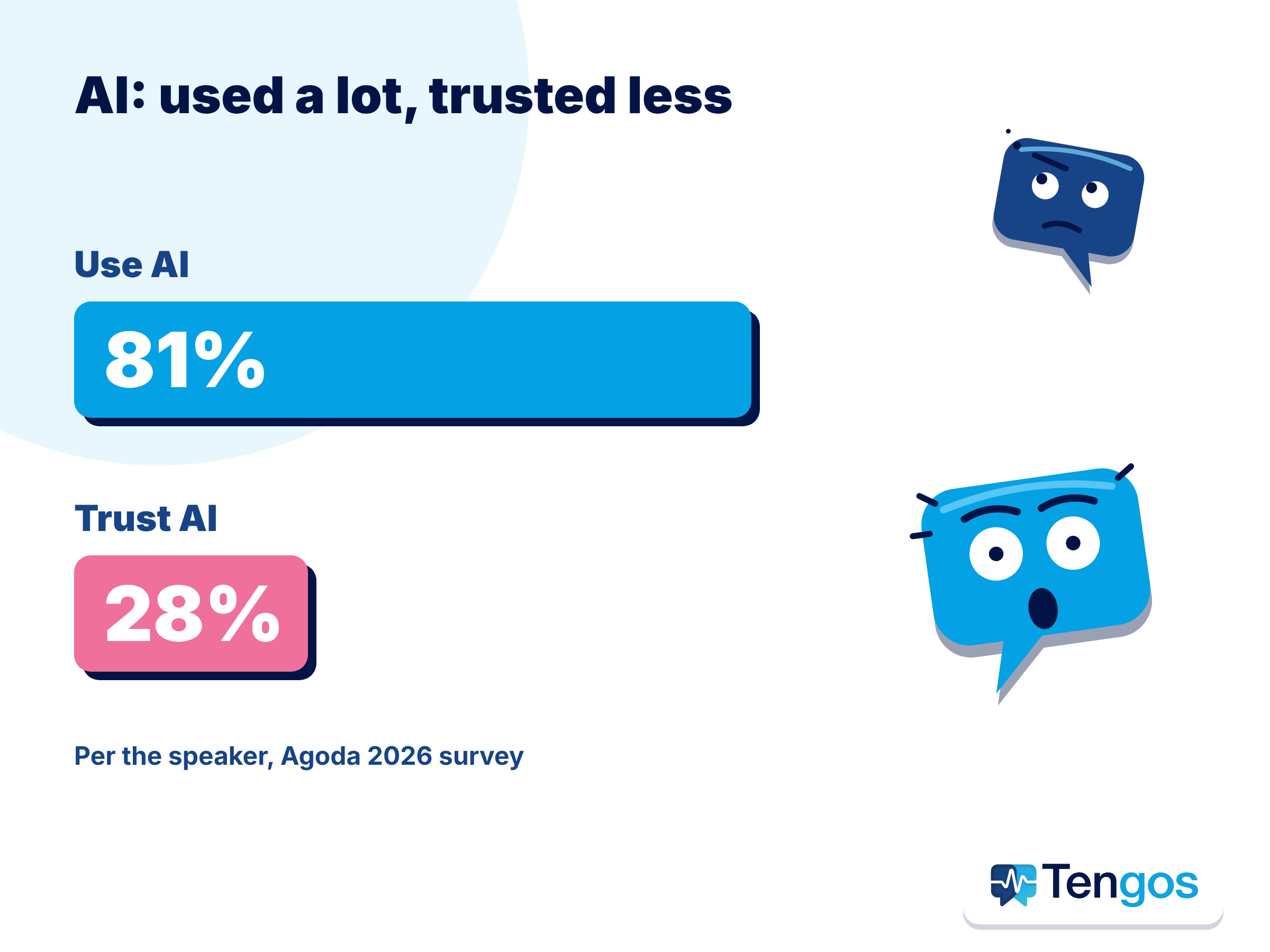
- 81% of Vietnamese travelers are likely to use AI to plan a trip, but only 28% say they actively trust what it produces (Agoda 2026 Travel Outlook, as cited by the speaker).
- CEOs set an “evidence threshold” and a “stop rule” before they spend a dollar on a campaign.
- Every figure in this post is “per the presentations at the event.”
What is MMA IMPACT Vietnam 2026?
MMA IMPACT Vietnam 2026 is a marketing event run by MMA Global. Its theme was “Advancing Marketer’s Ability To Create Value.” You can find the event details on the MMA Global event page. This post is an unofficial summary. It doesn’t name any speakers or their companies, only the cases and brands that were shared publicly at the event.
Think of these marketing trends 2026 as a checklist for your own planning, not a forecast. Each one comes with a concrete example from the stage.
1. The missing truck and the $25,000 question
In late March 2026, a truck carrying about 400,000 KitKat bars (roughly 12 metric tons) vanished in Europe. The brand didn’t go quiet. It chose to get louder, answering with humor and inviting the public to help “investigate.” Per the speaker, a budget of about $25,000 generated about $1.3 million in earned media value in 20 days.
So what let the team move that fast? A special “action team,” and a detail from 19 years earlier. Both are in the PDF.
This is where the marketing trends 2026 story gets interesting: usage and trust are pointing in different directions.
2. 81% use AI, but only 28% trust it
One keynote called this “the age of counterweights.” According to the Agoda 2026 Travel Outlook survey, as cited by the speaker, 81% of Vietnamese travelers are likely to use AI to plan a trip (the Asian average is 63%), yet only 28% say they actively trust the information AI generates. Meanwhile, the value of vinyl record production in Japan nearly quadrupled between 2019 and 2024 (RIAJ data). When technology gets faster, people reach for things that feel slower and more real.
If you follow AI marketing trends, that pairing is worth sitting with. Adoption and trust are not the same number.
The speaker gave brands four principles for holding their ground in this environment. What are they? You’ll find them in the PDF, along with three examples: one from Poland, one from a travel platform, and one from a menu designed for people with autism.
3. Why did 7 of 13 shops keep selling the Oreo drink after the campaign?
Oreo teamed up with a delivery platform and got 13 drink shops to create 11 new recipes across 622 locations. Per the presentation, the campaign sold 26,098 cups, or 263% of the target. But the number people kept coming back to was 7 out of 13: the shops that kept selling the drink after the campaign ended, with sales up about 25%.
A different delivery platform also shared that around 60% of food buyers order again, about 30 times a year on average. Both numbers point at the same blind spot, and it’s one that many campaigns never measure.
Another theme running through the marketing trends 2026 conversation: the best ideas were small, timely, and easy to repeat.
4. The clock hands point to 5 to 7 a.m.
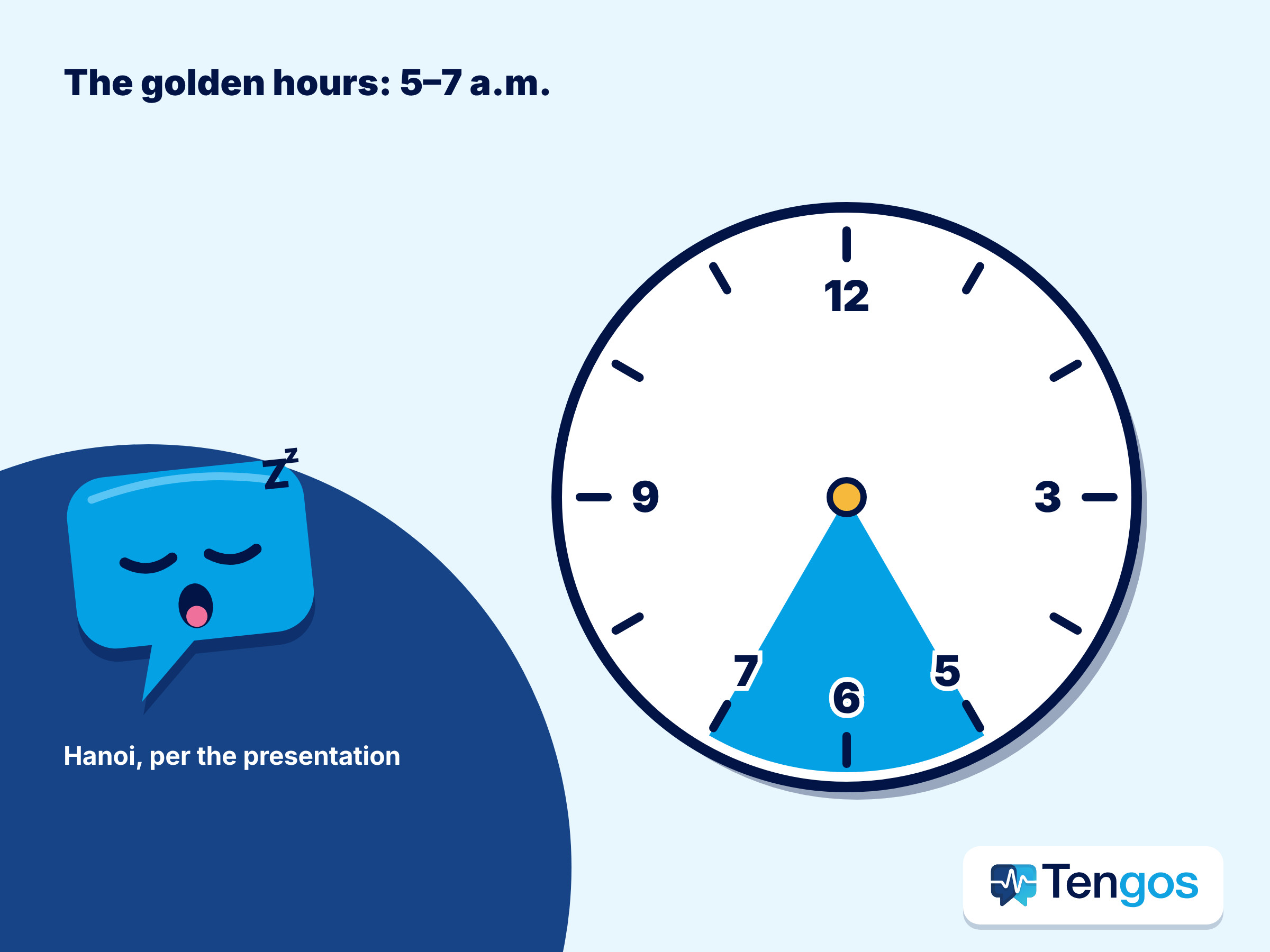
La Vie turned the two mountain peaks in its logo into clock hands pointing at the 5 to 7 a.m. window in Hanoi. Per the presentation, that meant 54,000 breakfasts paid for through e-wallets, 40,000 morning rides, and more than 100,000 visitors a day to morning gathering spots. Their recipe for building a habit has just two parts. Which one is the harder part?
Coca-Cola went in the same direction by inviting Gen Z to “celebrate” small things: a chicken combo on April 4, a plate of broken rice after a 9-day holiday, a bowl of bún bò pitched as getting through exam season. Per the speaker, transactions rose about 30% at participating locations.
5. Write the rules before you run the campaign
At the CEO panel, several speakers stressed setting an “evidence threshold” and a “stop rule” before a campaign starts, using control stores to measure results, and checking whether a promotion is only pulling customers from one product to another. One concrete example: cutting the promotions that didn’t produce about 50% incremental sales. The same session included a warning about chasing a new channel like livestreaming while forgetting what it costs to operate.
6. From 2 brands holding 90% to more than 300 brands
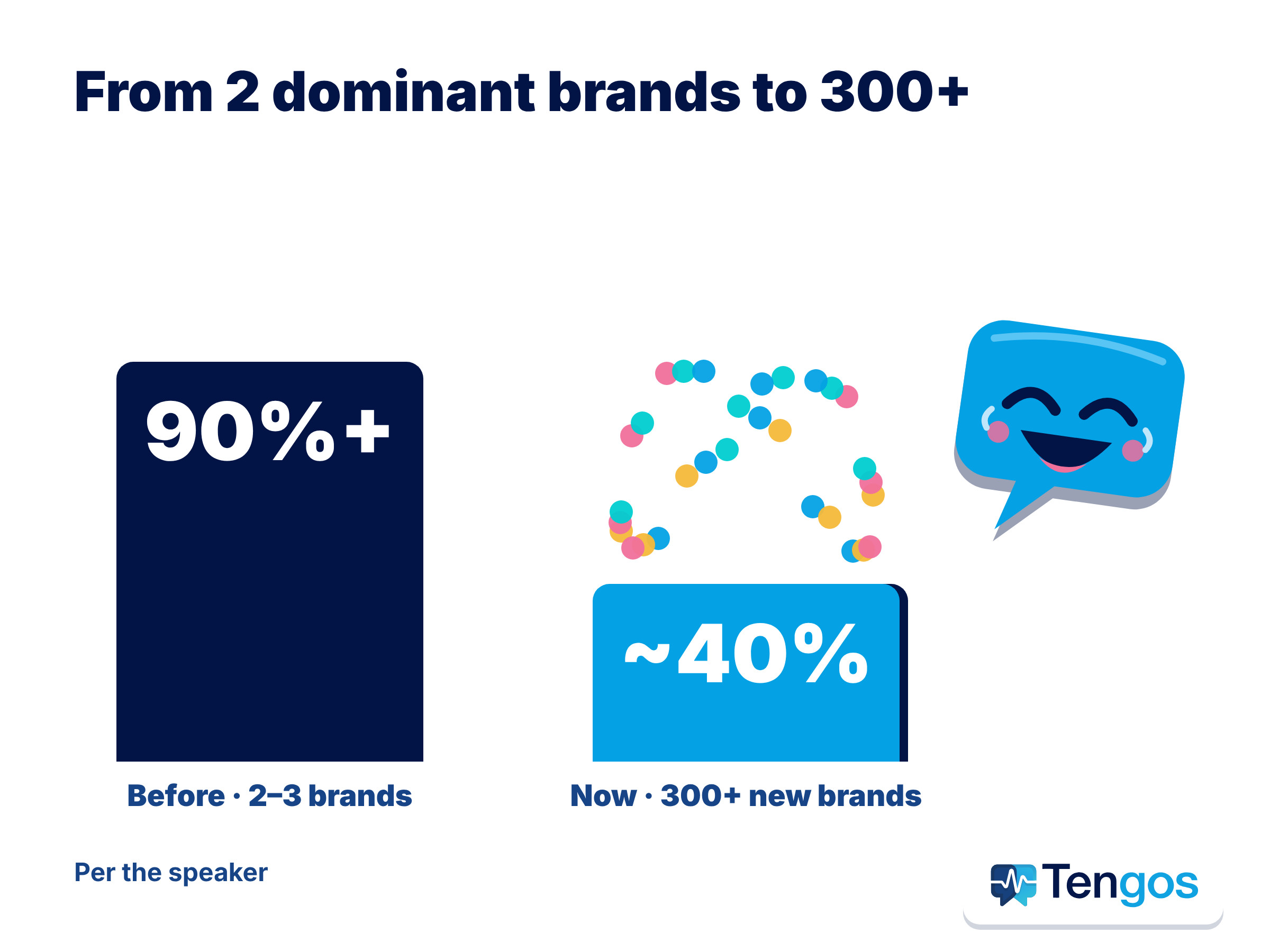
One keynote said some categories once had just 2 or 3 brands holding 90 to 95% of the market, and now have more than 300, with the newer brands holding about 40% of it. The advice for the big players is to learn from the small ones using a DIY framework: Design, Influence, Yap. What does “Yap” mean, and why is it in the framework? The PDF explains.
If you remember one thing from the marketing trends 2026 discussions, make it this: decide your rules before you spend.
7. The “baseline” test
The session on advocacy (customers who recommend a brand on their own) offered a simple test: after each campaign, does the brand’s baseline fall back to where it was, or does it end up higher? One multi-brand group uses a single standard for choosing creators across 10 brands and has 4 agencies work from one shared brief. Per the speaker, the voice of a real user is about 5 times stronger than advertising.
What’s in the marketing trends 2026 PDF?
The PDF handbook pulls together everything condensed above and goes deeper:
- A map of all 13 sessions, one sentence each.
- Seven trend pages, each with what was said at the event and a concrete example.
- Six case files: KitKat, Oreo, La Vie, Coca-Cola, “Không Một Mình” (digital safety for children), and Samsung Galaxy.
- A glossary of terms like earned media, quick commerce, GEO, and kill rule.
How did I record the whole day?
Tengos is an AI app that records, transcribes, and translates speech for work and study. I recorded all 13 sessions with Tengos, then read the transcripts to write this marketing trends 2026 handbook. According to the AI Notes page, you can ask for a summary in multiple languages, share it through a link or integrations like Notion, Slack, and Jira, and get a summary labeled by speaker.
The app also has Import Audio for bringing in recordings you already have, a Glossary to lock in your terminology, and export to SRT, VTT, MD, and TXT. Tengos translates 60 languages, and the Free plan includes 120 minutes a month with no credit card required. You can get it on the App Store or Google Play.
If you often sit through webinars, take a look at how to summarize a webinar and translate the recap. And if you want to spend less time in meetings with an AI summary tool, there’s a separate post on that.
Want the full picture of marketing trends 2026 in one place? The PDF above walks through all seven trends and six cases.
FAQ
What are the marketing trends 2026 from this event?
Across 13 sessions at MMA IMPACT Vietnam 2026, seven trends stood out: moving from campaigns to infrastructure, real insight into people becoming scarcer as AI spreads, winning on moments and habits, local culture as an advantage, partners and ecosystems, speed paired with disciplined decisions, and challengers and leaders learning from each other.
When and where was MMA IMPACT Vietnam 2026?
October 29, 2026 at GEM Center in Ho Chi Minh City, under the theme “Advancing Marketer’s Ability To Create Value.”
Where do the numbers in this post come from?
From the speakers’ presentations at the event, via transcripts. Where a figure has only one source, the post says “per the speaker.” The story of the missing KitKat truck was also covered in international news.
Is the PDF free?
Yes. Use the download button in the middle of the post.
Is Tengos free?
The Free plan includes 120 minutes a month and needs no credit card. For paid plans and other limits, check the Tengos pricing page.
Sources and notes
This post is compiled from recordings of the sessions at MMA IMPACT Vietnam 2026. It is an unofficial summary and has not been confirmed by MMA Global or the speakers. The original content belongs to the speakers and the organizers; for exact details, see MMA Global’s official materials.