Language Barriers in the Workplace: 5 Hidden Costs and Fair Fixes
Published on Nov 11, 2026

Table of Contents
Language barriers in the workplace are often solved by one quiet default: the bilingual colleague who translates for everyone. It works in the moment, but it has a hidden price. That person loses focus, carries extra risk, and rarely gets credit for the work. This guide shows where the costs come from, when you still need a professional interpreter, and how to share the language load more fairly.
Key Takeaways
- Language barriers in the workplace are often solved by informal translation, and that is real work. Bilingual employees often interpret, summarize, and mediate on top of their own job, usually without training or extra pay.
- The costs are easy to miss: interrupted focus, mistakes when meaning gets summarized, uneven recognition, and colleagues who stay out of the conversation.
- Depending on one person is a risk for the team. If they are away, the whole workflow stops.
- Real-time translation tools can take over the routine load in meetings, while trained human interpreters stay essential for high-stakes content such as medical, legal, or official matters.
- A short team agreement on who translates what, plus a shared glossary, removes most of the daily friction.
Who is the “unofficial translator” on your team?
Almost every multilingual workplace has one, and that is where language barriers in the workplace are felt first. It is the engineer who explains the client’s email to the team, the nurse who helps a patient’s family at the front desk, or the sales rep who is pulled into every call with a partner overseas. Nobody hired them to interpret. They simply speak both languages, so the requests keep coming.
Researchers have looked at this closely. An ethnographic study of migrant construction workers on three London sites described bilingual workers acting as informal interpreters while holding other jobs, such as labourer or supervisor. They were usually untrained and unpaid for the language work. Their tasks went beyond words: they helped run site inductions, passed on daily task information, translated written documents out loud, and eased conflicts between colleagues. The authors also warn that summarizing often loses meaning and that relying on a single person is risky. You can read the details in the study of bilingual language work on construction sites (UK).
The pattern is not limited to construction. A 2025 interview study in the Journal of World Languages followed three bilingual professionals in education and social services in the United States. It found that employers often relied on their Spanish without raising their pay, sometimes pushing them beyond their comfort or skill level. The article on language brokering by young Latina professionals also notes real upsides, such as empathy and job satisfaction. The point is not that bilingual people dislike helping. The point is that the work is invisible, and invisible work is hard to manage.
What does it cost when one person translates for everyone?
The cost of language barriers in the workplace rarely appears on a budget line, so it is easy to ignore. It shows up in five places.
| Hidden cost | What it looks like | Who feels it |
|---|---|---|
| Interrupted focus | A colleague is pulled out of their own task for a “quick” translation, several times a day | The bilingual employee |
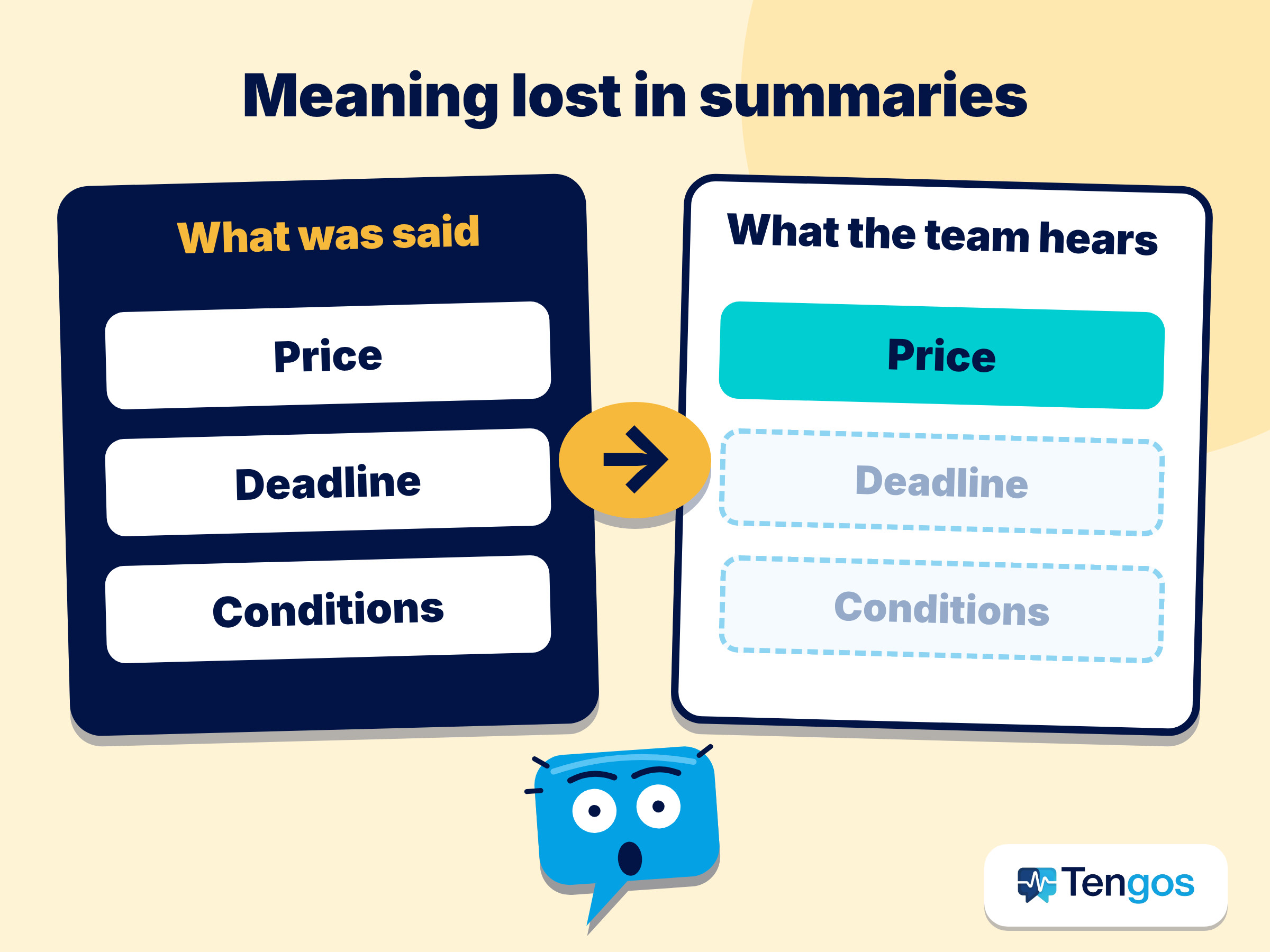
| Meaning lost in summaries | A long answer becomes one sentence. Details, tone, and conditions disappear | The whole team and the client |
| Uneven recognition | Language work is not in the job description, the goals, or the review | The bilingual employee |
| Single point of failure | When that person is on leave or busy, decisions wait | The team |
| Exclusion | Colleagues who do not share the main language stay quiet or get a delayed, filtered version | Everyone outside the common language |
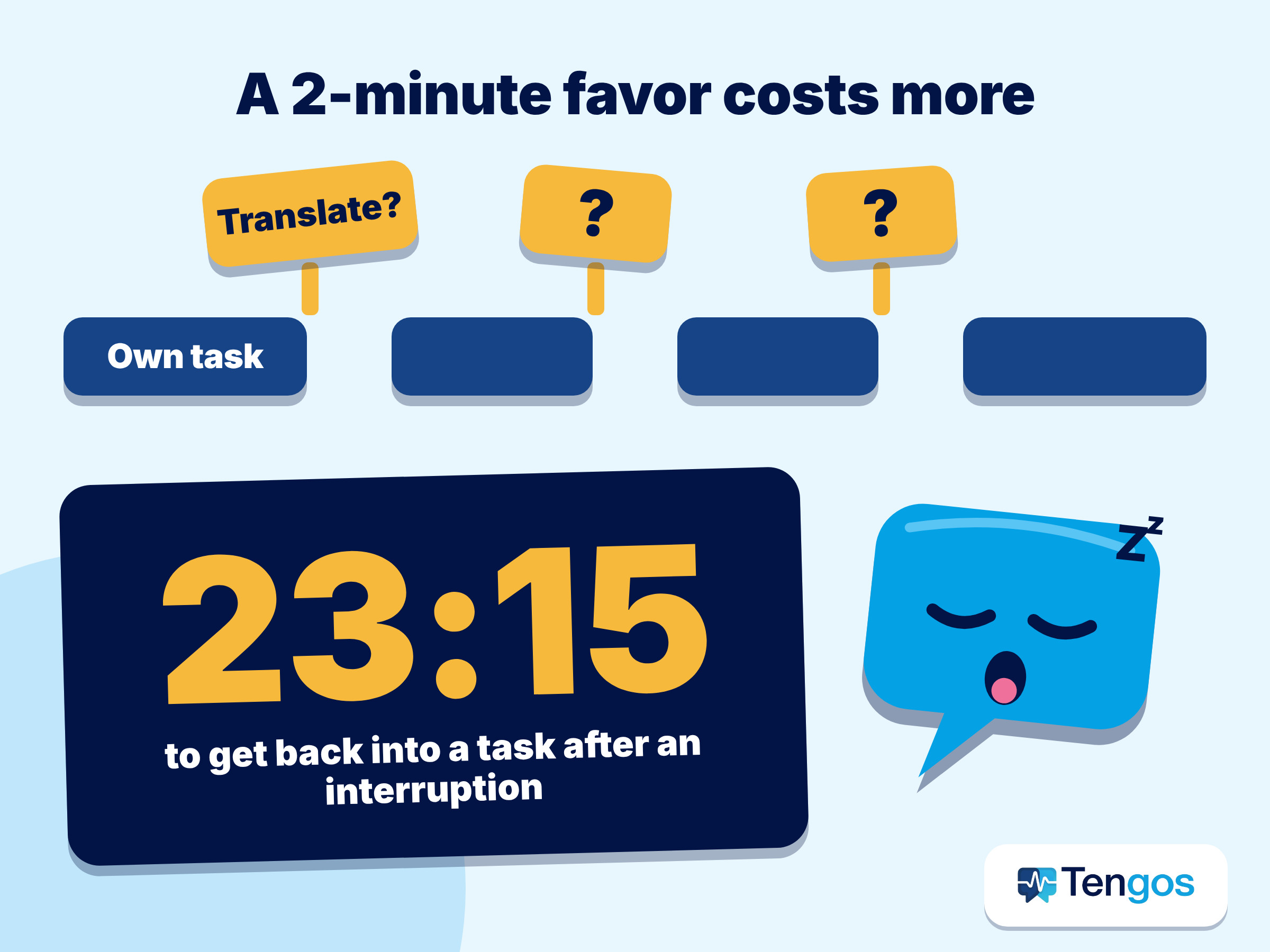
The first cost deserves a closer look. Gloria Mark’s research on interrupted work, reported by Gallup, found that resuming an interrupted task took an average of 23 minutes and 15 seconds. That figure comes from general office work, not from translation, so treat it as a sign of scale rather than a measurement of your team. Still, it explains why a “two-minute” favor can cost far more than two minutes.
How much time does informal translation really take?
You can estimate it for your own team in a few minutes. Here is a simple, illustrative example. The numbers are invented to show the method, not real results from any company.
- Imagine a bilingual team member who is asked to translate or explain something four times a day.
- Each request takes about five minutes by itself.
- That is 20 minutes of direct translation per day, or about 100 minutes per week.
- Add the time it takes to get back into their own task after each interruption, and the real cost grows well beyond those 100 minutes.
Now replace the invented numbers with your own. Ask the bilingual colleague, privately and kindly, how often it happens and how long it takes. Many managers are surprised. The work was always there, but nobody counted it.
Why is meaning lost when language barriers in the workplace are solved informally?
A person who translates live is doing three jobs at once: listening, understanding, and speaking. They must also decide what to leave out. Under pressure, they shorten. A client says three conditions, and the team hears one. A manager gives feedback with a polite softener, and the translation sounds blunt. Neither side notices, because nobody can check.
Specialist terms make it worse. Industry words, abbreviations, and product names have exact meanings, and a well-meaning translator may choose a near-synonym. If this problem sounds familiar, our guide on how to stop AI from mistranslating technical terms explains how a shared glossary fixes it for both people and tools.
Language skill also hides real ability. Tsedal Neeley, a professor at Harvard Business School, writes that skilled employees can feel diminished when they must work in a second language, and that weak language skills can mask real leadership talent. Her piece for Harvard Business School Working Knowledge, why businesses need a language strategy, also notes that most global work needs about 3,000 to 4,000 English words at an intermediate level, far fewer than native-like mastery. That is a useful reminder: your quiet colleague may understand a lot more than they can say.
When do you still need a professional interpreter?
Some situations should never rely on a friendly colleague. A professional interpreter or translator is the right choice when mistakes carry legal, medical, safety, or financial consequences.
Health care gives a clear example. The US Department of Health and Human Services publishes sample language access procedures for Section 1557. They say bilingual staff may interpret only if they are on the organization’s current list, have shown in-language ability as part of their assigned duties, and are proficient in spoken English and the other language, including specialized terms. If no qualified staff member is available, a qualified interpreter must be used instead. A qualified interpreter works accurately and impartially, without changes, omissions, or additions, and follows ethics such as confidentiality. See the HHS sample language access procedures (PDF). These rules apply to covered health care organizations in the United States, so check the rules that apply to your own sector and country.
There is also an international standard for the profession. ISO 18841:2018, published in January 2018, sets general requirements and good-practice recommendations for interpreting services. If your organization buys interpreting regularly, it is a useful checklist for what a good service looks like.
What can real-time translation tools take off the team’s plate?
Most language barriers in the workplace are not court hearings. They are stand-ups, client calls, training sessions, and quick questions. For this routine layer, a real-time transcription and translation tool can take over the part nobody enjoys, so your bilingual colleague can join the meeting as a participant again.
Tengos is an app for real-time transcription and translation in more than 60 languages. On the Tengos pricing page, the plans list real-time speech transcription, real-time text translation, multi-language meetings, speaker identification, and an AI Meeting Summary. Group translation lets other people follow along: the Starter plan lists up to 10 viewers, Pro up to 100, and Max unlimited. The Free plan includes 120 minutes per month with up to 15 minutes per recording, which is enough to test it in a short call. Check the current pricing page before you decide, because limits can change.
A tool does not replace judgment. Treat machine output as a working aid, and keep a human in the loop for anything critical. What it does remove is the constant “can you tell them what he said?” interruption.
How to reduce language barriers in the workplace fairly
A few small agreements go a long way against language barriers in the workplace. You do not need a new policy document. You need clear answers to four questions.
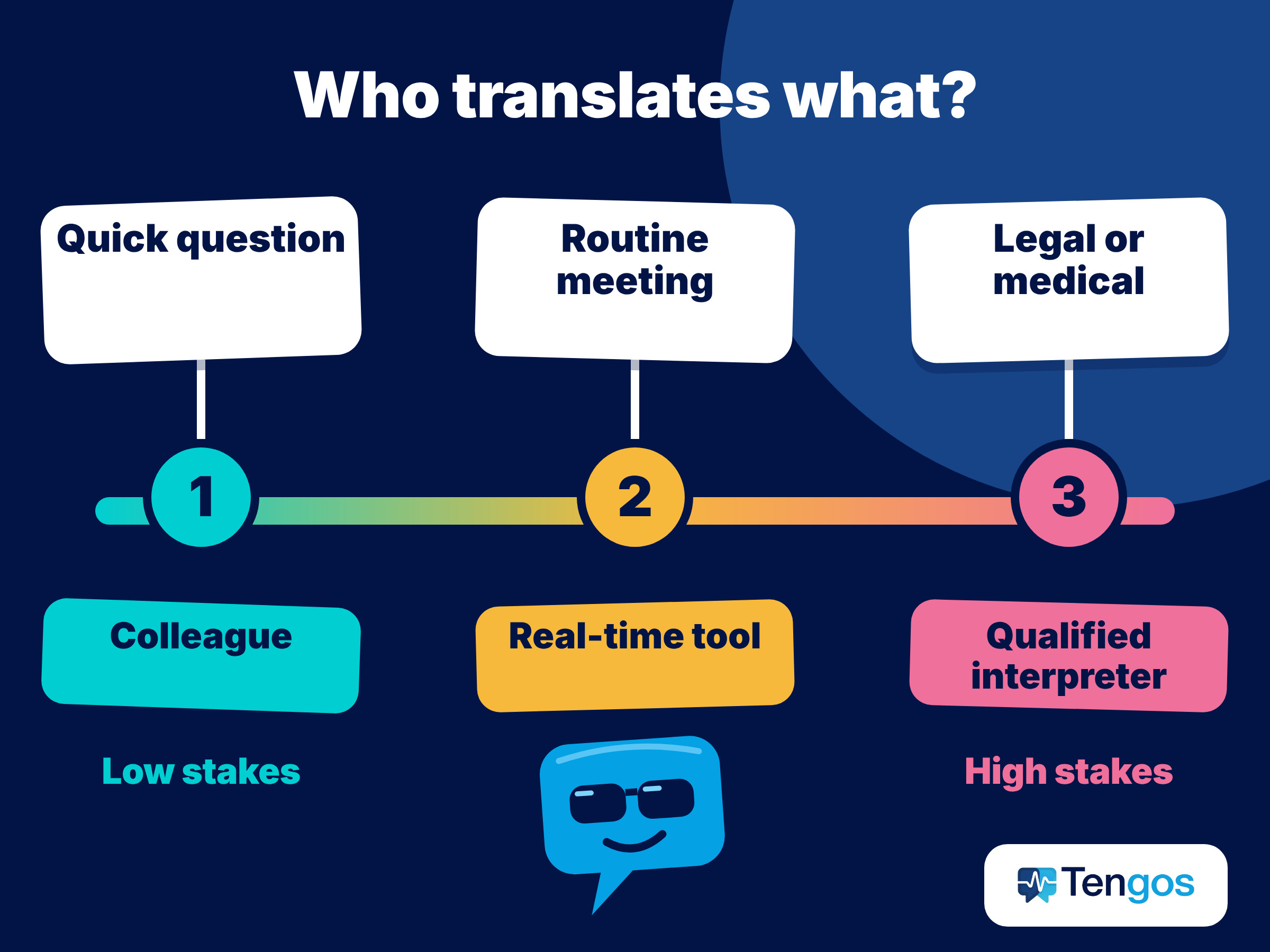
- Who translates what? Decide which situations use a tool, which use a trained interpreter, and which can stay informal.
- Is it part of the job? If a colleague regularly does language work, put it in their goals and reviews, and consider recognition or pay that fits.
- How do we avoid single points of failure? Name a backup, and give the tool access to everyone, not only to one person.
- What is our shared vocabulary? Keep one glossary of product names, abbreviations, and key terms per project, and review it after important meetings.
Here is how the options compare in practice.
| Option | Best for | Cost and effort | Main limit |
|---|---|---|---|
| Informal help from a bilingual colleague | Quick, low-stakes questions | No direct cost, but hidden time cost and interruptions | Meaning loss, single point of failure |
| Real-time translation tool | Routine meetings, calls, and training | Subscription, short setup | Needs review for critical content |
| Qualified human interpreter | Legal, medical, safety, and official matters | Highest cost, needs scheduling | Not practical for every daily exchange |
| Shared glossary plus plain language | Every option above | Small effort, done once and updated | Needs someone to keep it current |
A simple 30-day plan to reduce the hidden cost
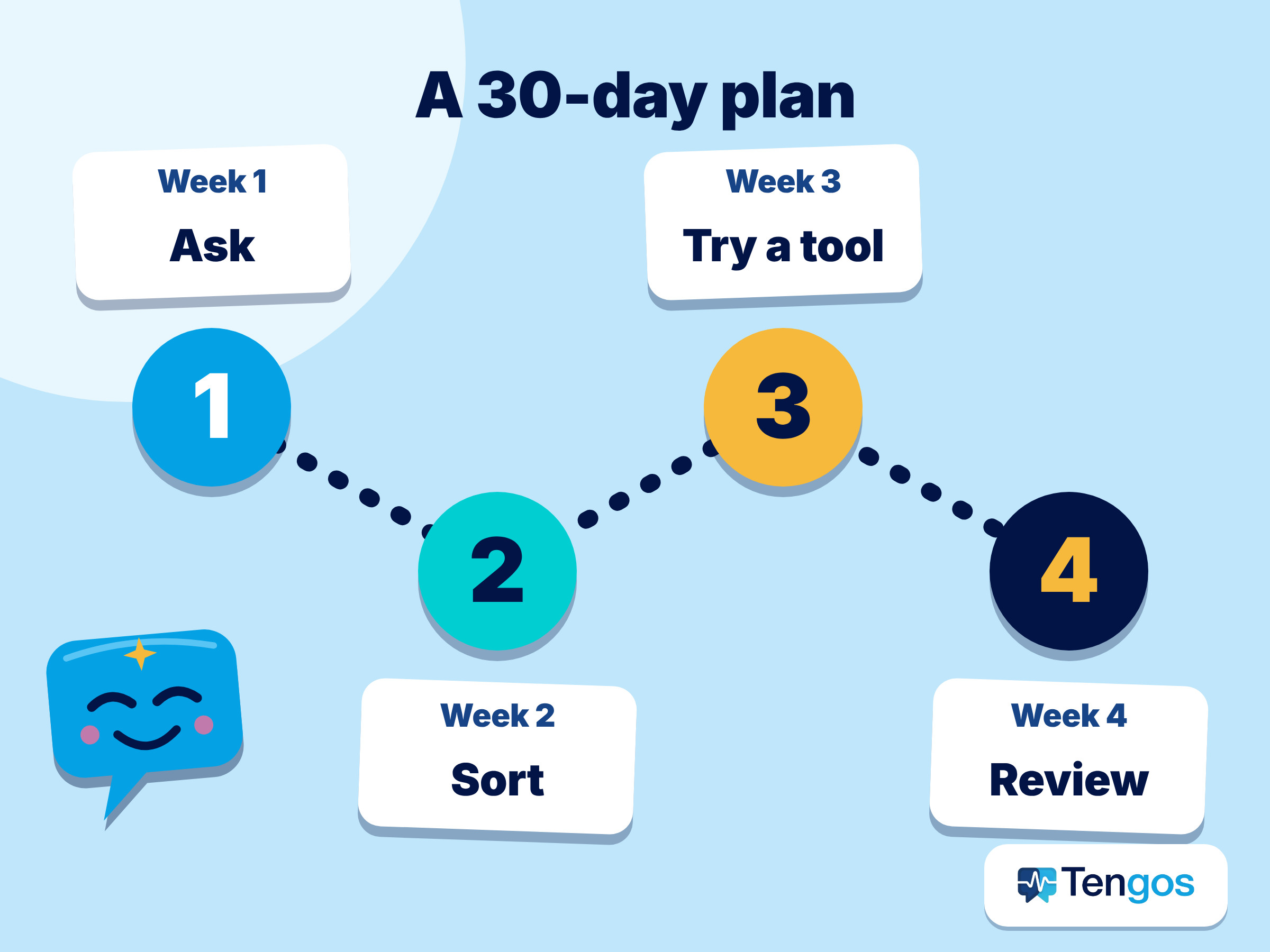
- Week 1: Ask bilingual team members how often they translate and what kind of requests they get. Keep the conversation open and thankful.
- Week 2: Sort the requests into three groups: routine, important, and critical. Assign a tool, a colleague, or a professional to each group.
- Week 3: Try a real-time translation tool in one recurring meeting. Write down the ten terms that matter most, and add them to a glossary.
- Week 4: Review what changed. Did interruptions drop? Did anyone feel left out? Update the agreement and share it with the team.
Keep the plan small. The goal is not to remove human help. It is to make sure the help with language barriers in the workplace is chosen, visible, and shared.
Frequently asked questions
What are the main effects of language barriers in the workplace?
Common effects include slower decisions, misunderstandings, uneven participation in meetings, and extra work for the people who bridge the gap. As Harvard Business School’s Working Knowledge notes, skilled employees can feel diminished when they must work in a second language.
How can you overcome a language barrier at work?
To overcome language barriers in the workplace, combine three things: plain language with fewer idioms, a shared glossary of key terms, and the right support for each situation, such as a translation tool for routine meetings and a qualified interpreter for high-stakes content.
Should bilingual employees be paid extra for translating?
There is no single legal answer, because rules and contracts differ by country and employer. Researchers who study this work recommend that employers protect bilingual staff from unpaid translation duties and reward language skills fairly. If translation is a regular part of someone’s work, discuss it openly and put it in their role.
Can AI translation replace a professional interpreter?
Not for every situation. AI translation is useful for everyday meetings, calls, and learning, but it should be reviewed when mistakes would be costly. For medical, legal, or official settings, follow the rules that apply to you and use a qualified interpreter when required.
How does Tengos help with multilingual meetings?
Tengos provides real-time transcription and translation in more than 60 languages, group translation for viewers, speaker identification, and an AI Meeting Summary. You can add your own terms in advance, so names and specialist words appear the way your team uses them.
Get started
If language barriers in the workplace make your team lean on one bilingual colleague, start by making that work visible and sharing it. Download Tengos from the App Store or Google Play and try it in your next multilingual meeting. Your colleague can finally just listen.